
After one of my first bridge games played online, more than a quarter of a century ago, I noticed that the four of us at the table had been playing on four different continents. That, of course, would not have been possible face-to-face. This is one of the great things about online bridge: it allows you to play with and against people who are geographically distant from you, people you might otherwise never encounter.
In 2020, when Covid came along, online bridge was given a huge boost. It helped people keep in touch with those they couldn’t see in person, and it is no exaggeration to say that in some cases it helped them keep their sanity. It does also mean, though, that we now more often encounter people from different bridge cultures and backgrounds, which inevitably brings the possibility of confusion and crossed communications.
As a tournament director, I regularly spend some of my time travelling to different countries and meeting people from varying backgrounds, which shows me how rich and varied the world of bridge is. It also makes me realise how misplaced some of our commonplace assumptions about the universality of the game are!
Given the different bridge terminology and names used around the world, and the assumptions players make about what they mean, it’s no surprise that misunderstandings arise, leading to requests for adjudication and even conflict. English may be the official language of international bridge, but if even those who have it as their first language cannot always agree on what words mean, how much worse will it be when people with no common language have to use it as their only means of communication?
One of my friends, originally American but living in England for some decades, made a claim in a serious teams game, saying “pulling trump”. She was amazed when her opponent called the TD to question the claim on the basis that the opponent still had two trumps left. For an American, the word “trump” covers the plural as well, and she was saying that she would draw all the remaining trumps, so her claim was good. For a British player, it is a singular word and might well suggest that the declarer has forgotten one of the outstanding trumps. They would have expected her to say “drawing the trumps”.
Don’t assume you know what they mean, and don’t assume they have understood what you intend.
Something I often have to explain at international events is that when players say their leads are “second and fourth”, they mean different things depending on where they come from. For Polish players and others from Eastern Europe, it is meant literally: they lead low from a doubleton and middle from three cards, which is entirely logical. For some inexplicable reason, that’s not what my compatriots in the UK mean when they say it. They would lead top of a doubleton, low from a four-card suit (but second from a bad suit), low from three to an honour, and middle from three low! I continue my uphill struggle to get them to describe their leads more accurately.
Another way in which the UK differs from much of the rest of the world is that we call suit preference signals McKenney, when most of the rest of the world would call them Lavinthal. Even more confusion can arise when different languages are in use at the same time, because many languages don’t distinguish between the words suit and colour in bridge. So if a player says their bid shows two different colours, the two suits might actually be the same colour!
The next time you run into an issue like this, it might be worth first asking whether it’s simply a matter of communication, and checking what your opponents intended. Don’t assume you know what they mean, and don’t assume they have understood what you intend. Hopefully, with a more flexible and generous approach, and all of us doing our best to tell our opponents everything we know, we can enjoy the rich variation in how we play and talk about our game. Seek first to understand each other’s explanations and intentions, rather than looking for a way to gain an advantage from a possible slip of the tongue.
Vive la différence!
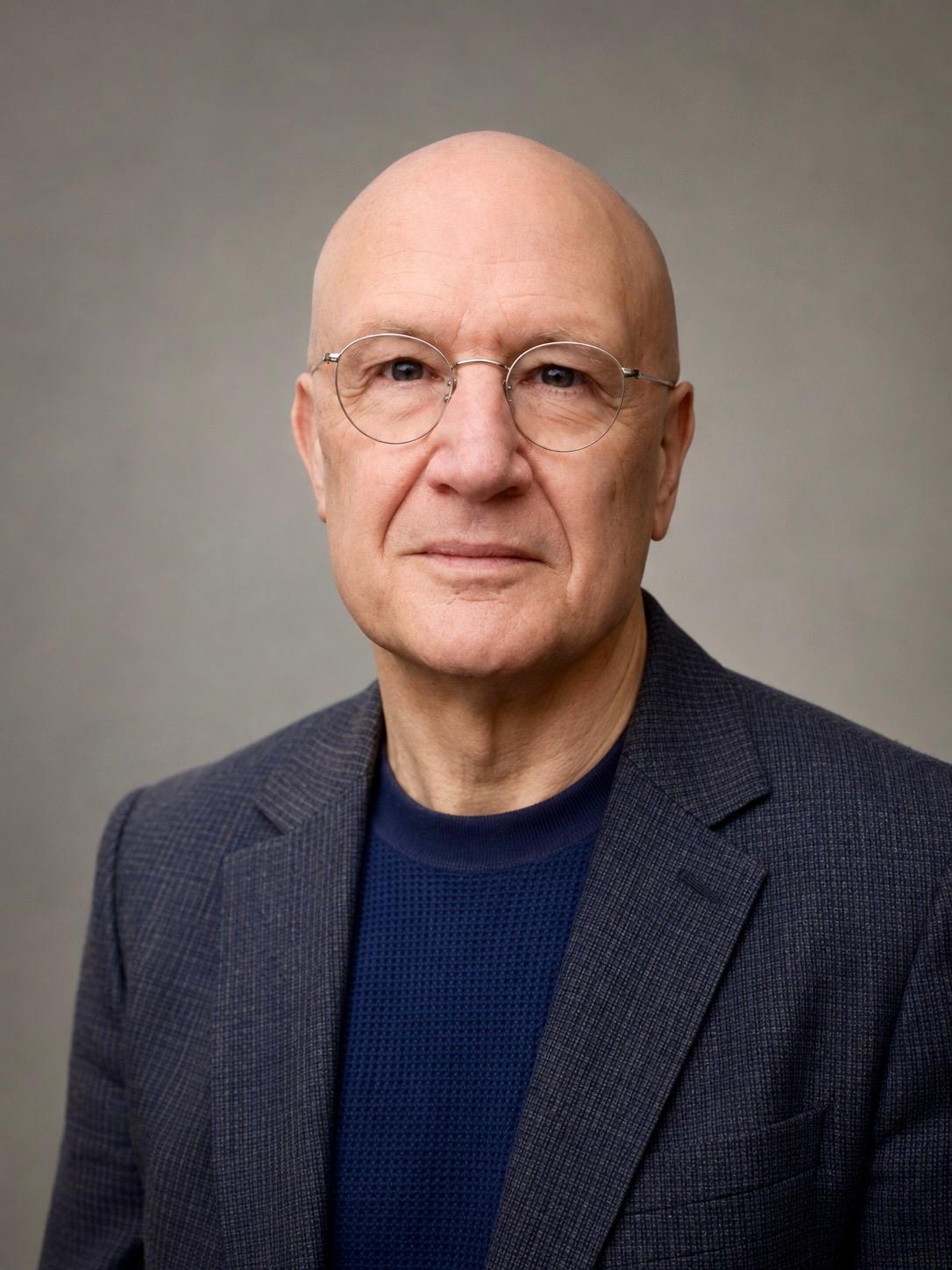
Gordon Rainsford is a Chief TD of the World Bridge Federation and the European Bridge League, as well as Consultant TD for the English Bridge Union (having recently stepped down as its Chief TD). This article is based on his personal thoughts, though, and does not necessarily describe the official policy of any of those three organisations.