

You have a new postcard from India. Look below the image to read it. ⬇️
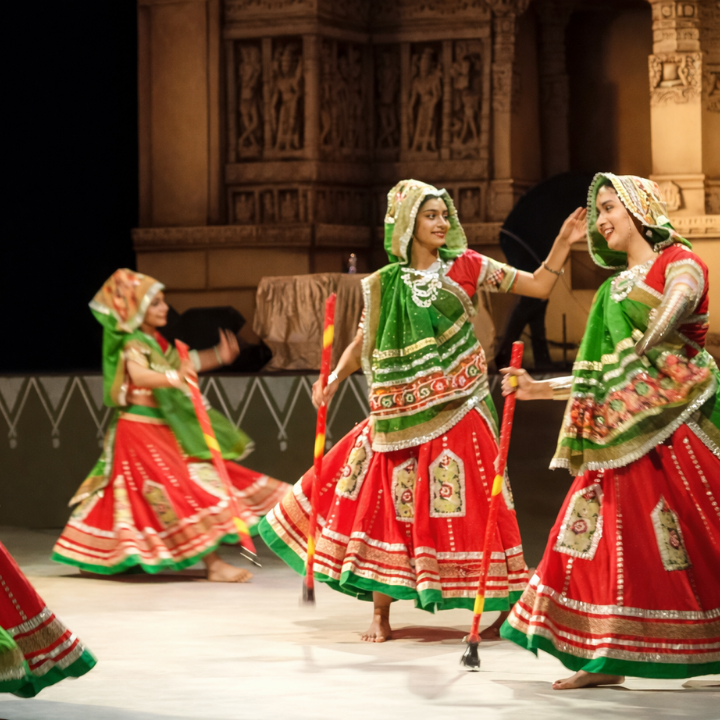
India’s cultural diversity is vividly reflected in the way a single date—13th January —is celebrated across different regions under various names, traditions, and beliefs.
While the day broadly marks the seasonal transition towards longer days and the end of winter, each part of the country expresses this change through its own unique cultural identity.
In Tamil Nadu, 13th January is celebrated as Bhogi, the first day of the Pongal festival. Families discard old household items in a symbolic bonfire, signifying renewal and gratitude for new beginnings. Homes are decorated with intricate kolams, and the focus is on cleansing the past to welcome prosperity.
In Andhra Pradesh and Telangana, the same day marks Bhogi, but with distinct regional customs. Farmers honor Indra, the god of rain, acknowledging agriculture’s dependence on nature. Rural celebrations include early morning bonfires, folk songs, and communal gatherings that strengthen village bonds.
In Punjab, the eve of the harvest festival is celebrated as Lohri on 13th January. People gather around large bonfires, offering sesame seeds, jaggery, peanuts, and popcorn while singing traditional songs. Lohri reflects Punjab’s agrarian roots and its joyful, community-oriented spirit, especially celebrating fertility and the birth of children.
In Gujarat, Uttarayan preparations reach their peak on 13th January, with skies filling up with colorful kites. Though the main celebration is on 14th January, the excitement begins earlier, symbolizing freedom, competition, and togetherness. Special delicacies like undhiyu and chikki highlight regional culinary traditions.
In Karnataka, 13th January is observed as Bhogi, particularly in rural areas, where farmers thank the Sun God and cattle for their contribution to agriculture. Homes are decorated with flowers and rangoli, reflecting harmony between humans and nature.
In Assam, the agricultural spirit is echoed through Uruka, the eve of Magh Bihu, celebrated around the same period. Communities prepare feasts and engage in cultural performances, emphasizing collective celebration and respect for agrarian life.
Though the names, rituals, and expressions vary, the underlying themes of harvest, gratitude, renewal, and community remain common across regions. This diversity in celebration on 13th January demonstrates how India accommodates multiple cultural identities while remaining united by shared values and seasonal rhythms.
Thus, a single date becomes a powerful illustration of India’s unity in diversity—where different languages, customs, foods, and beliefs coexist, enriching the nation’s cultural fabric.
Fill out the form on this page or click the button below if you'd like to send us a postcard sharing something from your culture. It could be a recipe you make on special days, a tradition, a saying, or a small story, and what it means to you.