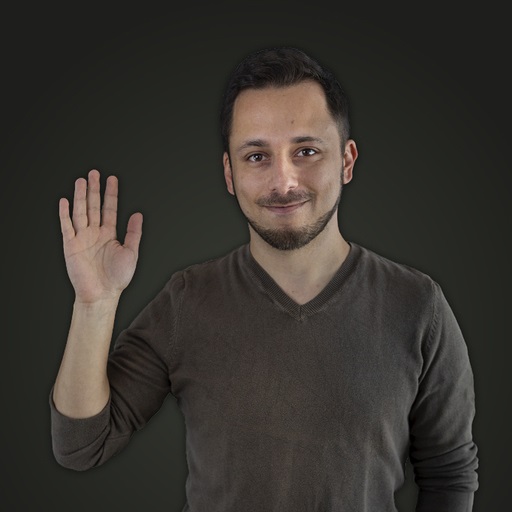
Meet Nikita from the BBO Design Team
Nikita is a graphic designer on BBO's design team and is currently completing hi...
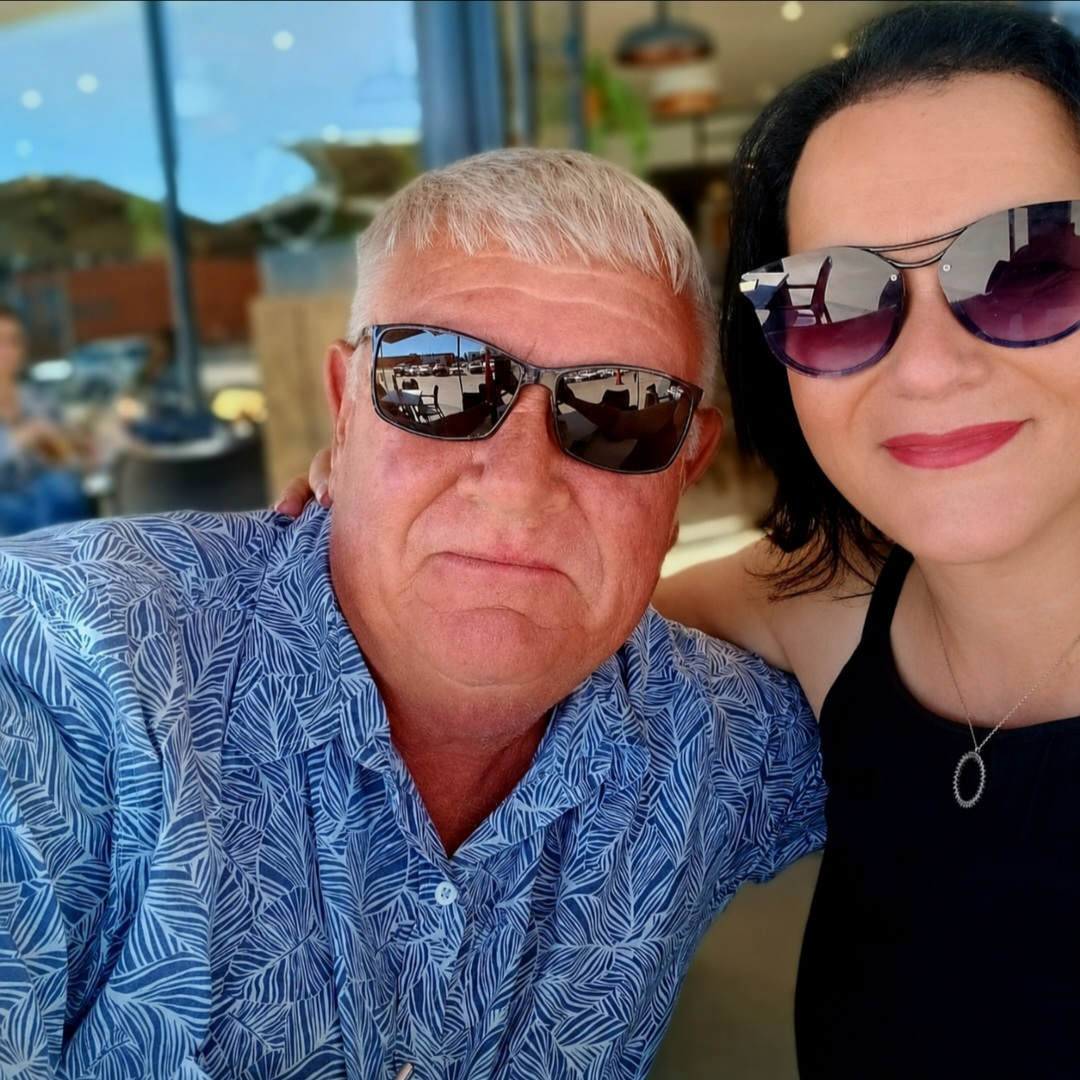
By Paul Freeland, 2nd place in the eCup2
I'm from Dunedin, New Zealand, known as the Edinburgh of the South, and am recently retired and love music in general and musicals in particular. I'll often have a musical playing when I'm playing an online bridge session.
I started playing bridge after reading regular articles in a national television magazine, and when my brother started lessons but couldn't complete them; I attended for the remainder. That was just over 30 years ago, and I am blessed to have had the same bridge partner for most of those years; he was also in that original learners class. We play a fairly complicated hybrid system with a lot of homegrown stuff, including transfer overcalls and other unusual approaches, so to play a simple 2 over 1 system on BBO is very relaxing.
I started playing online with OKBridge in the early days, and then with BBO. I joined an online bridge community during Covid, and have met a wonderful bridge community online, which means I play a lot more online now than I had in the past.

BBO is so easy to use, and is always available. It's also amazing to think that there are thousands of bridge players from all over the world playing the same hands as you, with different levels of skill and taking different approaches on the same cards.
I'm amazed to have finished second in this competition, and wonder if I'd realised that I was in the competition and didn't miss the first 2 days, whether I could have potentially won. It was an interesting competition, initially, when I started playing, I just played the hands relatively normally, and in my first 10 matches I had a low of 50% and a high of 68%. Over the whole event I had an average of just under 60%, but once I could see how everyone else was doing, I realised I needed to take a different approach to have a chance of doing well.
On the 7th day of the event I scored a 72% (my lowest counting score) and a 79.8% (my highest counting score), and thought that I had worked out the right balance of aggression and unusual approaches, and good declarer play and defence, to do well in this event. It is a delicate balance, and bridge can be very humbling and frustrating at times, so I then had a period of 8 days when I didn't achieve a contributing score. I tend to be busy, so when the events opened I would just play all 4 almost before anyone else had played them, of course this meant I had no real idea as to how well I was doing as I completed each hand as there were little or no comparisons. As the event wore on I tended to hold off playing them for about 10–12 hours, then I could decide whether to be conservative or crazy in my bidding depending on the session situation. My routine then was normally playing 3–4 sessions at 5am after my cat woke me up.
Here's an example of desperate actions to try and turn an average session into a great session:

I had several sessions where after 10 boards I was comfortably averaging over 80%, only to stumble on the final hands either because of a flat hand where you can only realistically get about 50%, or being tempted to take an unusual action and getting punished for it.
With a week to go, I was in the top 10 and in with a chance to finish in the top 5. I certainly tried a lot harder towards the end of the competition, as I had a chance of winning or a possibility of not finishing in the top 5. I won 6 of my last 11 sessions, and had 3 counting scores, crucially 2 on the last day of the event, which elevated me from third to second. I never really felt like giving up, you never know, that next session might just be a great one!!
My tip for improving on BBO would be to focus on your bidding and declarer play. GIB can be frustrating because its defending and signalling appears to be almost non-existent, so focussing on things you can control means you have a better chance of determining the final outcome. The other thing that helps a lot is watching good players who explain things well, e.g. Steve Raine and Rob Brady. I am stubborn, and tend not to give up on anything in life, the eCup2 just reinforced that that approach can be relatively successful.
Mainly, I like online bridge as it means I can compete against the world, but also catch up with, and interact with, fun and friendly people from all over the world at any time of the day or night. Bridge can keep you mentally and socially active, and it is a game that is ever evolving and that you will never master, so is a continual learning experience, and can be a lot of fun!!
Cheers